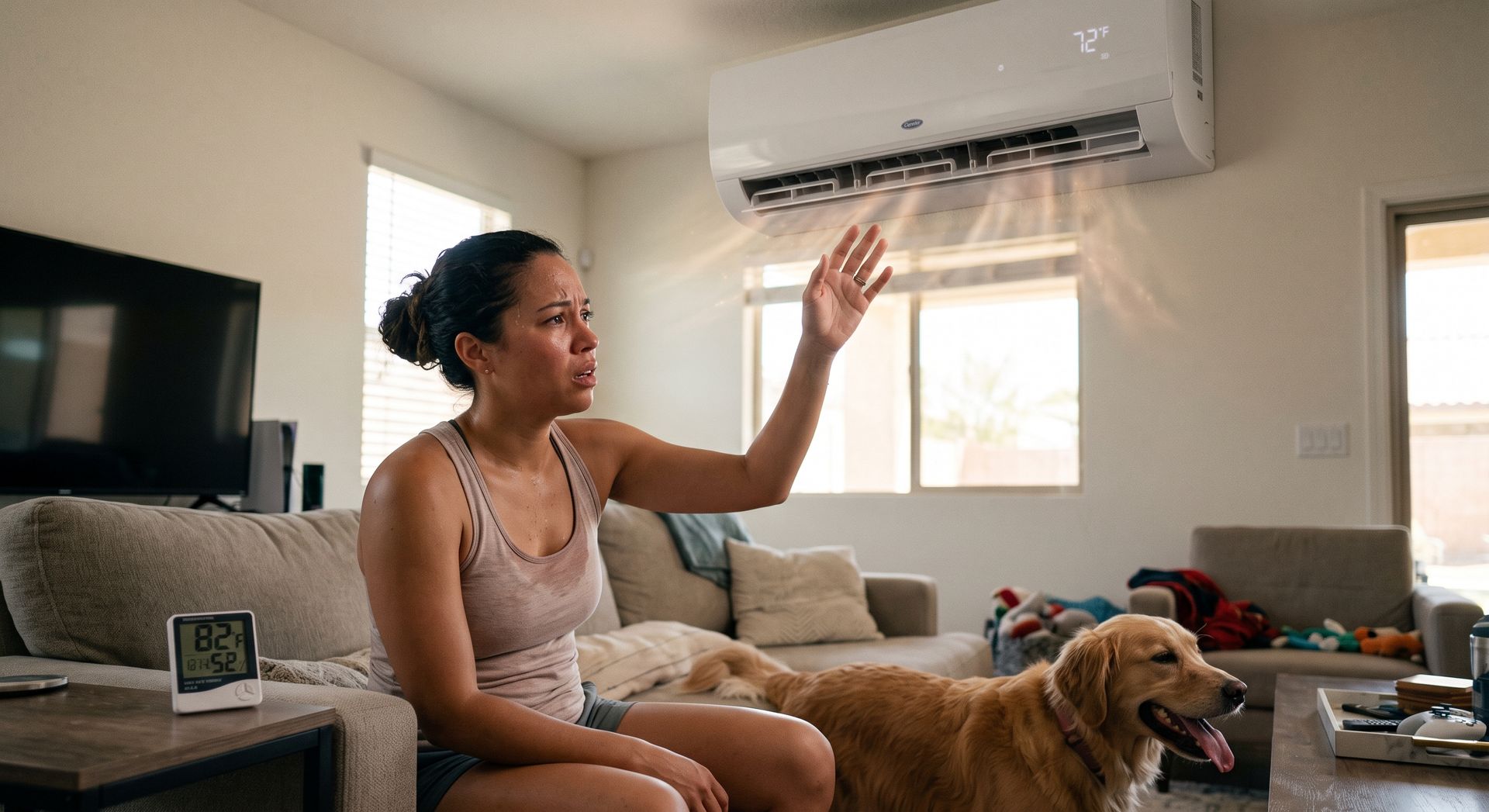
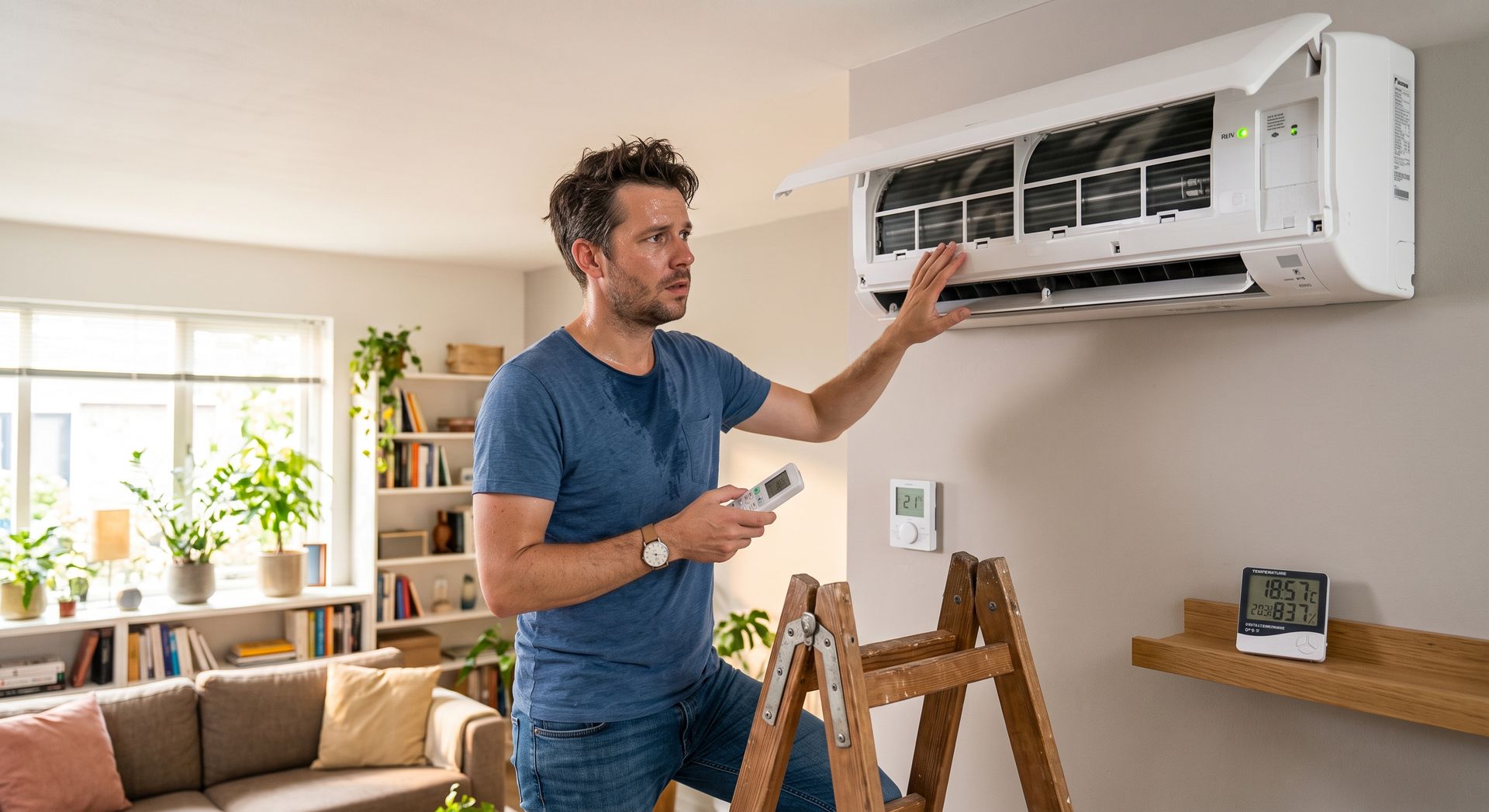
Why Is My AC Blowing Warm Air? 7 Problems That May Need Repair

If your AC is blowing warm air, first check the thermostat, air filter, vents, and outdoor unit. If those basics look normal, the problem may involve a frozen evaporator coil, low refrigerant, electrical failure, or another component that requires professional repair.
For homeowners in Norman, Noble, and surrounding Oklahoma communities, warm air from the vents can quickly become a serious comfort problem during summer. Here are seven common causes and how to tell when it is time for professional help.
Why Is My AC Blowing Warm Air Instead of Cold Air?
Your air conditioner must absorb heat from inside the home and release it outdoors. If airflow is restricted or part of the cooling process fails, the blower may continue moving air through the vents even though that air is no longer properly cooled.
The U.S. Department of Energy notes that common air-conditioning problems can involve filters, refrigerant, coils, electrical controls, and other system components.
A few clues can help narrow down the issue:
| What You Notice | Possible Problem | Next Step |
|---|---|---|
| Warm air from every vent | Thermostat or cooling-system issue | Check thermostat settings |
| Weak, warm airflow | Dirty filter or frozen coil | Inspect the filter |
| Warm air and ice | Frozen coil or refrigerant issue | Turn off cooling and call for service |
| Indoor fan runs but outdoor unit does not | Electrical or component failure | Call an HVAC technician |
| Cooling starts but turns warm | Intermittent system problem | Schedule diagnosis |
1. Your Thermostat Is Set Incorrectly
Before assuming something has failed, check the thermostat.
Make sure it is set to COOL and that the selected temperature is lower than the current indoor temperature. Also verify the fan setting.
When the fan is set to ON, the blower can continue circulating room-temperature air between cooling cycles. That may make it seem like the AC is blowing warm air even when the cooling system is operating normally.
Try setting the fan to AUTO. If warm air continues while the system is actively calling for cooling, investigate further.
2. A Dirty Air Filter Is Restricting Airflow
A clogged filter can limit the amount of air passing through the HVAC system. Poor airflow can reduce cooling performance and may contribute to other problems, including coil freezing.
The U.S. Department of Energy recommends cleaning or replacing air-conditioner filters regularly because dirty filters can reduce airflow and efficiency.
Check the filter and replace it if it is visibly dirty or overdue.
If you have good airflow but the air remains warm, the problem may be elsewhere in the cooling system.
3. The Evaporator Coil Is Frozen
Your indoor evaporator coil absorbs heat from the air. When ice forms on that coil, heat transfer and airflow can suffer.
Signs may include:
- Warm or weak airflow
- Visible ice around accessible lines or equipment
- Water near the indoor unit as ice melts
- Cooling performance that gradually gets worse
Restricted airflow is one possible cause of coil freezing. Refrigerant or other system problems may also be involved.
If you notice ice, turn off the cooling cycle and check the filter. Do not repeatedly restart the system if it freezes again.
Persistent freezing is a good reason to schedule AC repair in Norman and Noble so the underlying cause can be identified.
4. Your AC May Have a Refrigerant Problem
Refrigerant is necessary for moving heat from inside your home to the outdoors. When the system has an incorrect refrigerant charge or develops a leak, it may struggle to produce cold air.
Possible warning signs include warm air, long cooling cycles, ice on refrigerant lines, or a system that cannot reach the thermostat setting.
Refrigerant is not something homeowners should attempt to refill themselves. A trained technician should determine whether a leak or another system condition is responsible.
Addressing the underlying problem is more important than simply getting the system running temporarily.
5. The Outdoor Unit Is Not Working Properly
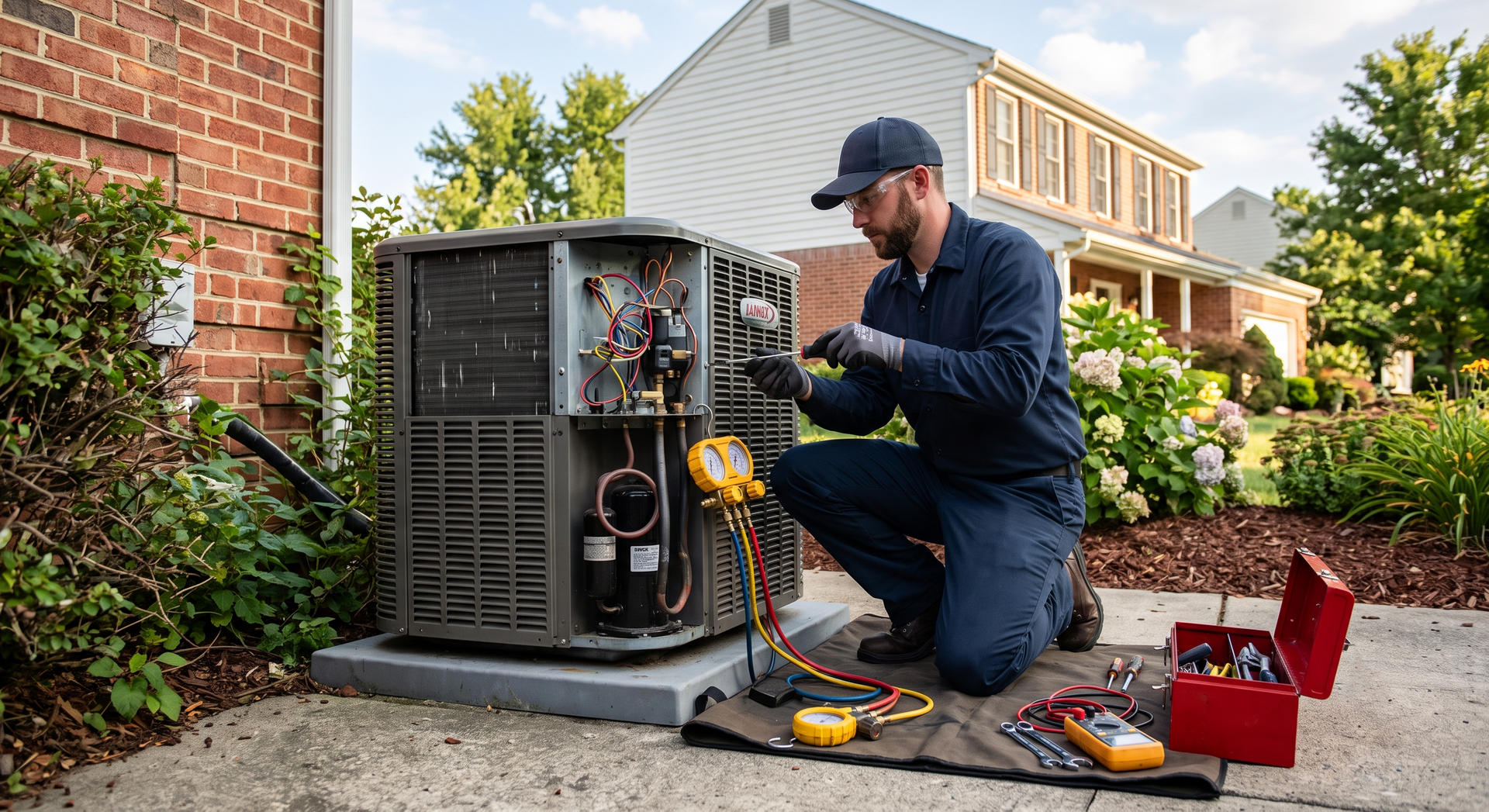
Your indoor blower and outdoor condenser work together. If the blower operates but the outdoor equipment does not, air may continue coming through the vents without being properly cooled.
One useful diagnostic clue is to compare what you hear indoors with what is happening outside. If air is moving through the house but the outdoor unit is silent or behaving unusually, the cooling cycle may not be functioning correctly.
Potential causes can involve electrical controls, a capacitor, condenser fan motor, compressor, or another component.
These repairs involve electrical and mechanical systems and should be handled professionally.
6. The Outdoor Condenser Has Restricted Airflow
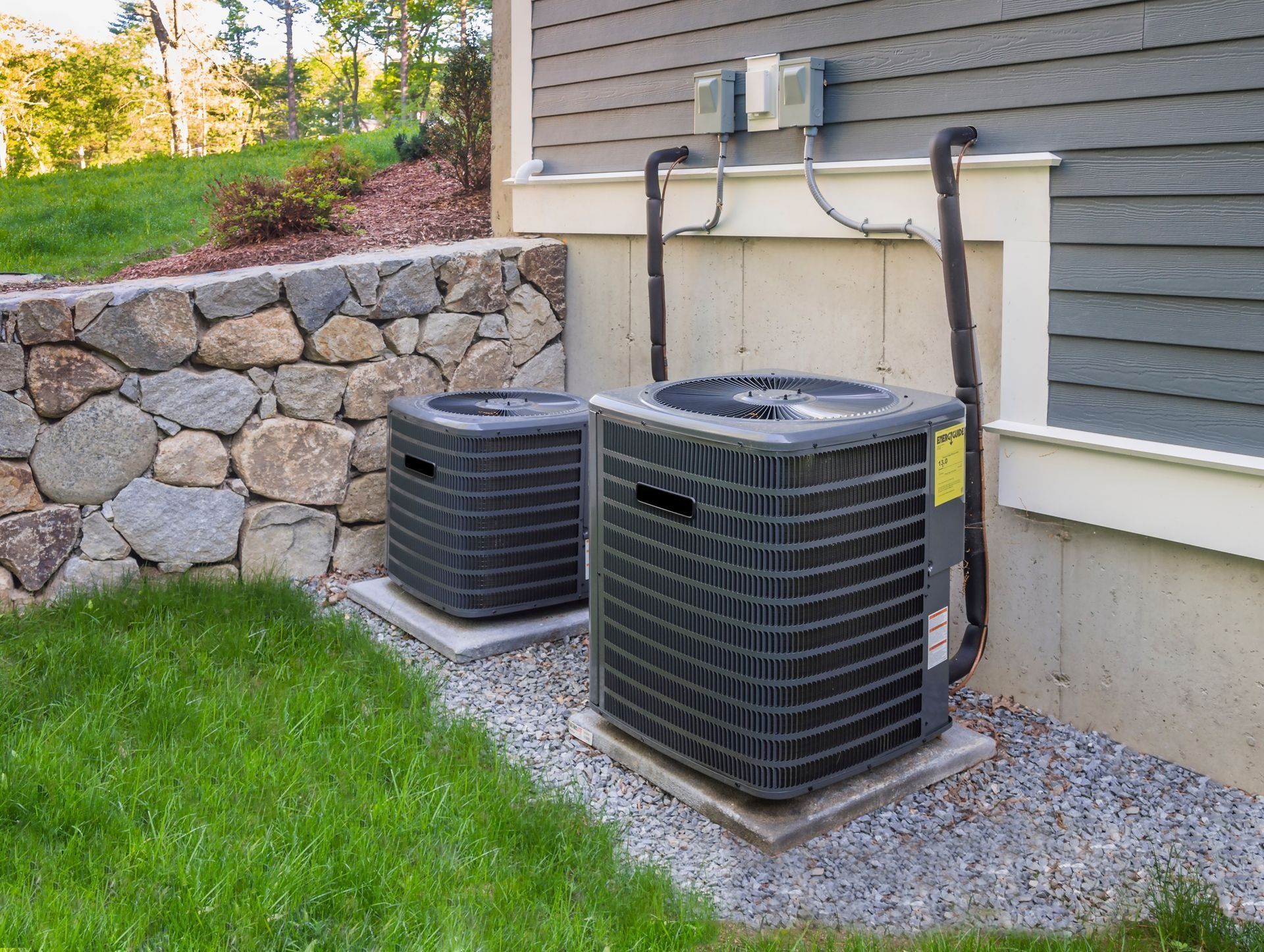
The condenser needs space to release heat outdoors. Leaves, weeds, grass clippings, and other debris can interfere with airflow around the equipment.
Oklahoma wind and storms can make this worth checking throughout the cooling season, particularly after severe weather.
Homeowners can remove loose debris and keep vegetation from crowding the unit. Do not remove equipment panels or reach inside the condenser.
Professional HVAC maintenance can provide a more complete inspection of components that affect cooling performance and help catch developing problems before peak summer demand.
7. An Electrical or Mechanical Component Has Failed
Air conditioners depend on multiple components working together. A problem with a capacitor, contactor, fan motor, compressor, control board, or electrical connection can interrupt the cooling process while other parts of the system continue operating.
This is why “the AC is running” does not always mean the entire air conditioner is functioning correctly.
If you hear buzzing or unusual mechanical sounds, notice repeated shutdowns, or see that the outdoor unit is not operating, avoid opening electrical panels or attempting component repairs yourself.
A professional diagnosis can identify the failed part safely.
What Can You Check Before Calling for AC Repair?
Before scheduling service, try these basic checks:
- Make sure the thermostat is set to COOL.
- Lower the temperature below the current room temperature.
- Set the thermostat fan to AUTO.
- Inspect and replace a dirty filter.
- Confirm that supply vents are open and unobstructed.
- Check for visible ice.
- Clear loose debris from around the outdoor condenser.
- Check whether the outdoor unit is operating.
These steps can identify simple problems without exposing you to refrigerant, electrical, or mechanical hazards.
When Is Warm Air From the AC a Sign You Need Repair?
If changing the thermostat setting or replacing a dirty filter does not restore cold air, the system may need professional diagnosis.
Call an HVAC technician when you notice:
- Persistent warm air from the vents
- Ice forming on the system
- The outdoor unit failing to operate
- Weak airflow that does not improve after changing the filter
- Unusual buzzing, grinding, or other noises
- Cooling that repeatedly stops and returns
During Oklahoma's hotter periods, waiting can leave the system running longer without actually restoring comfort. Professional air conditioning repair can determine whether the cause is airflow, refrigerant, electrical, or equipment-related.
FAQs About an AC Blowing Warm Air
Why is my AC suddenly blowing warm air?
A sudden change can result from thermostat settings, restricted airflow, a frozen coil, refrigerant problems, or a malfunction in the outdoor equipment. Check the thermostat and filter first.
Why is my AC blowing warm air even though the thermostat is set to cool?
If the thermostat is correctly set to COOL, the cooling system may not be operating properly. Check whether the outdoor unit is running and look for weak airflow or visible ice.
Can a dirty air filter make my AC blow warm air?
Yes. A severely clogged filter can restrict airflow and reduce cooling performance. It can also contribute to conditions that cause the evaporator coil to freeze.
Should I turn off my AC if it is blowing warm air?
If the system has visible ice, unusual noises, an electrical smell, or another clear malfunction, turn off cooling and arrange professional service rather than repeatedly restarting it.
Get Cold Air Flowing Again
If your AC keeps blowing warm air, don't wait for the problem to get worse. Contact Harwell Heat & Air for dependable HVAC service in Norman, Noble, and surrounding Oklahoma communities.