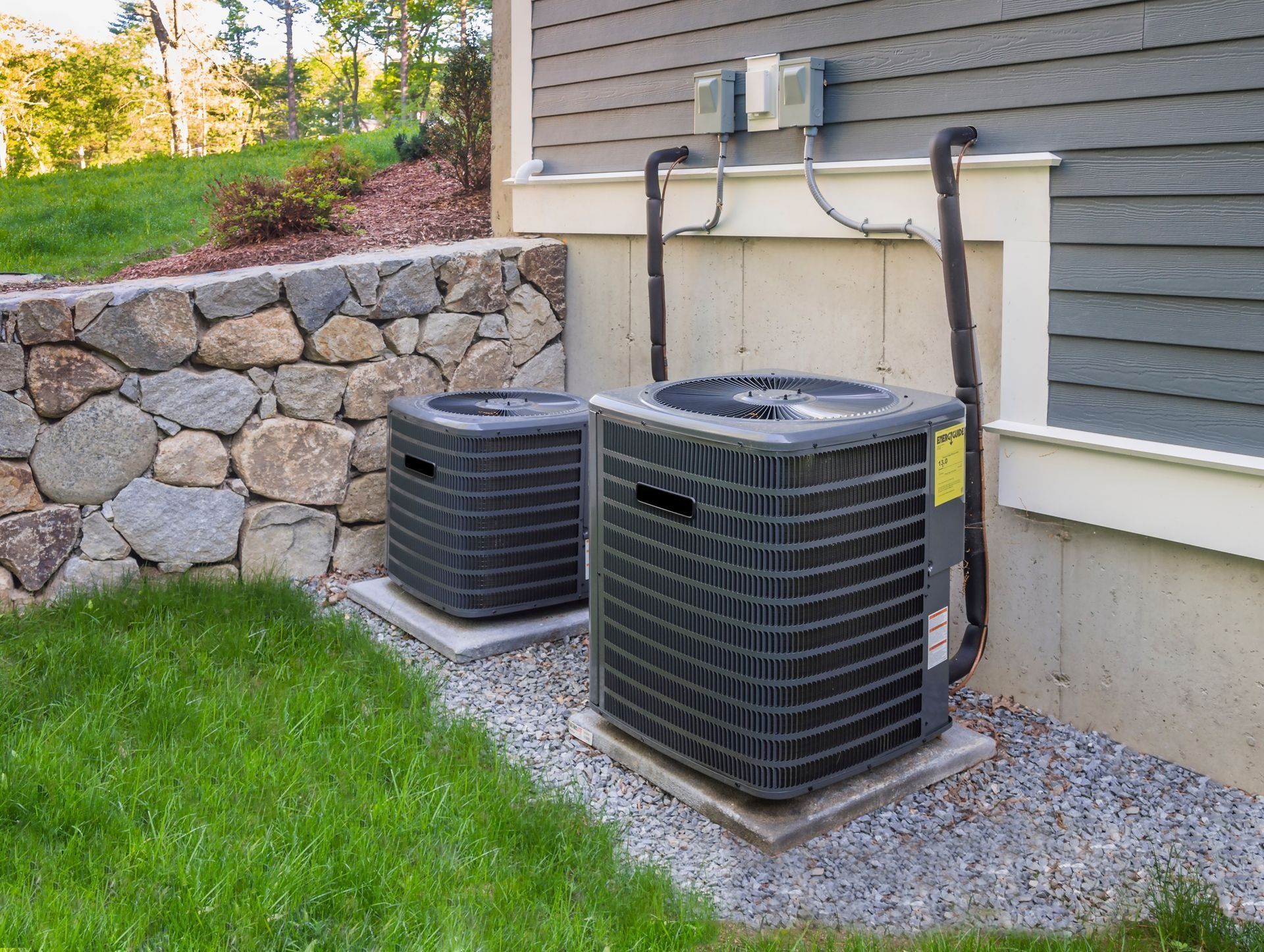
Your HVAC system circulates air throughout your home, which makes it a powerful tool for improving—or worsening—your indoor air quality. If your system is clean and well-maintained, it can filter out pollutants, manage humidity, and provide balanced airflow.
However, if your system is dirty, outdated, or underperforming, it may spread contaminants and create uneven air distribution, leading to stale, stuffy air.
1. Start with Regular Filter Changes
The simplest and most important step in improving indoor air quality is changing your HVAC filters regularly. Filters trap dust, pollen, and airborne particles before they can circulate through your home.
How often should you change your filter?
- Every 1–3 months for standard 1-inch filters
- More frequently if you have pets, allergies, or live in a high-pollen area
High-efficiency filters (such as MERV 11 or higher) can capture smaller particles and provide better filtration than basic fiberglass filters.
2. Schedule Routine HVAC Maintenance
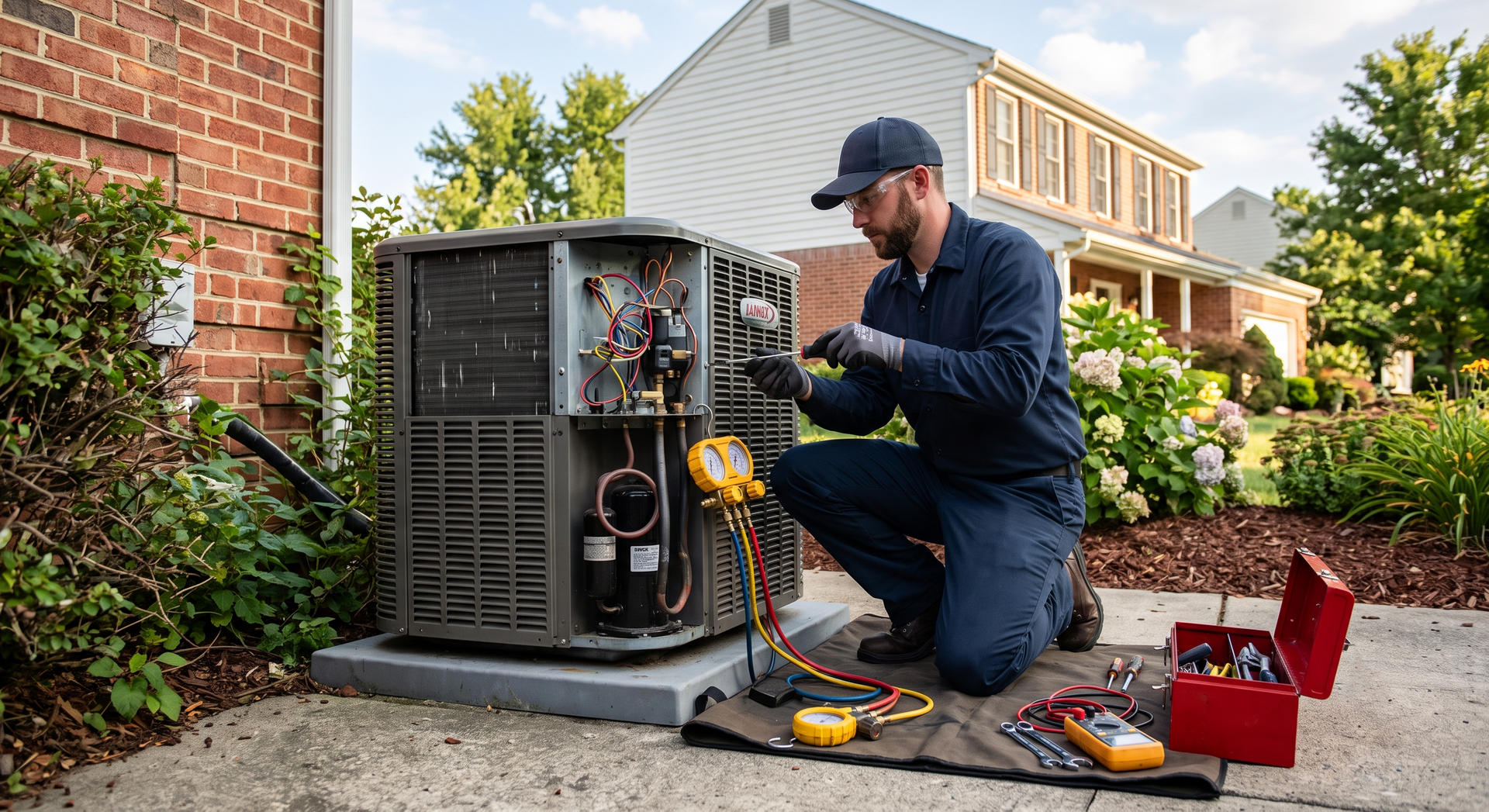
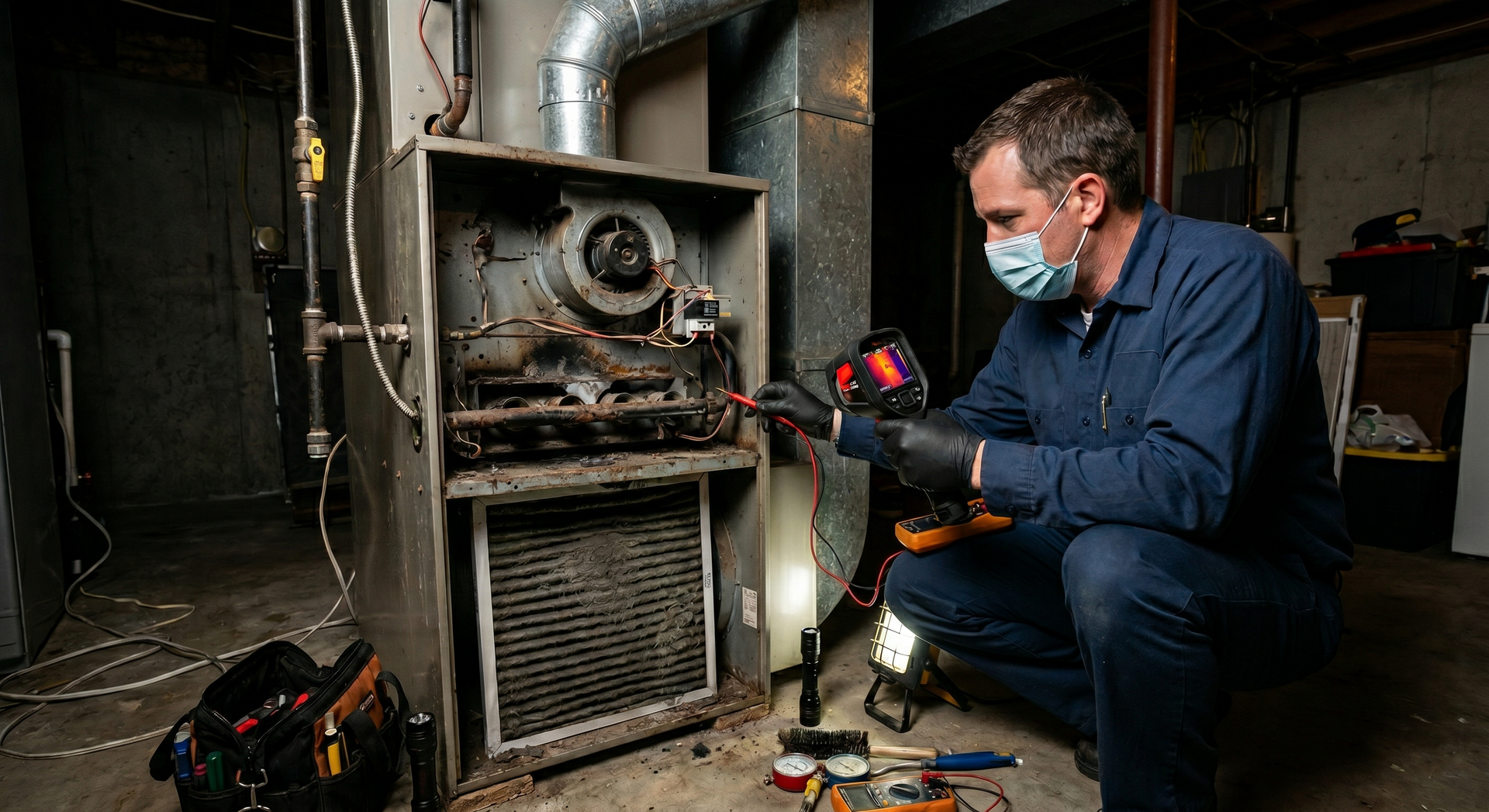
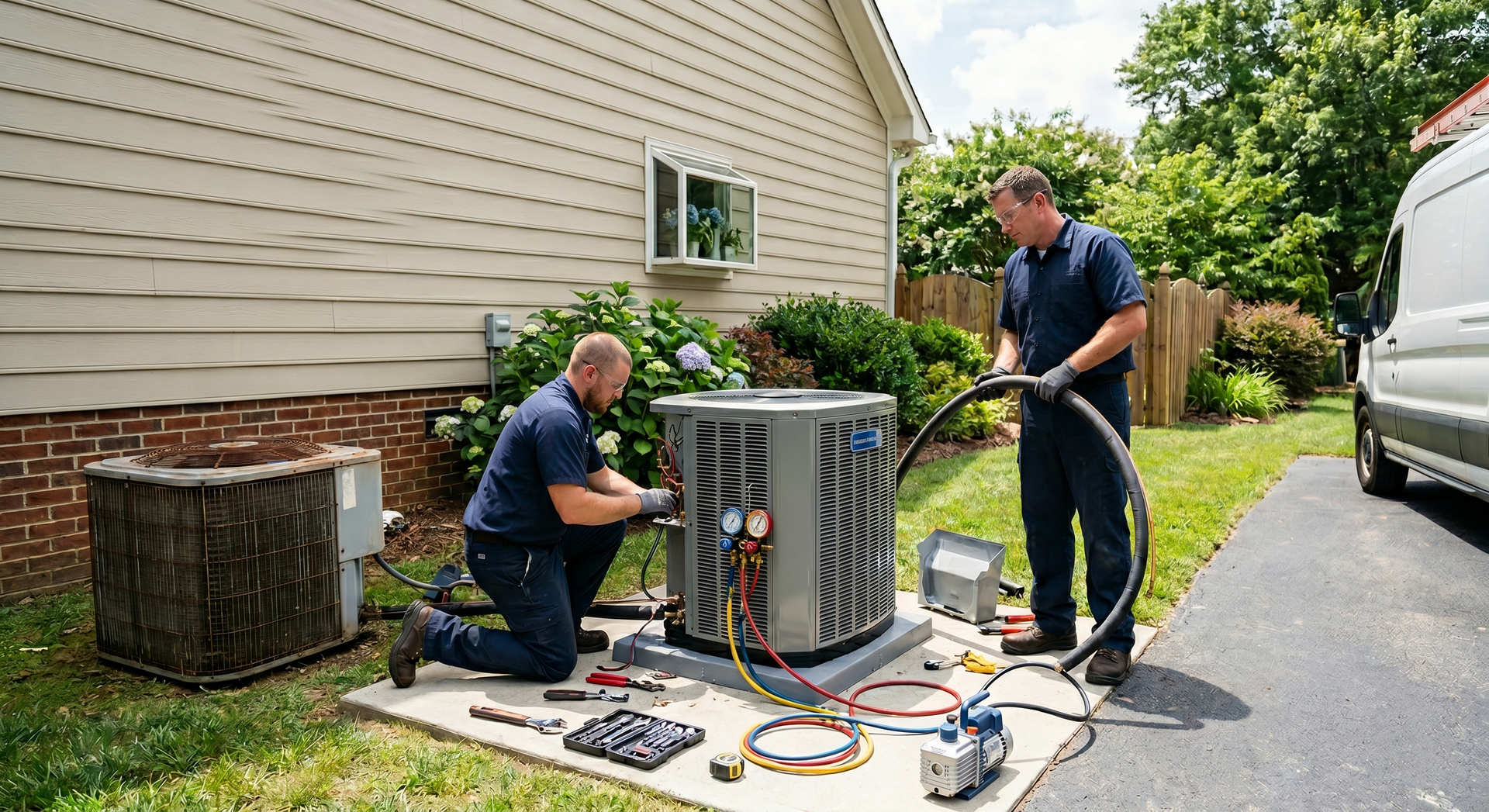
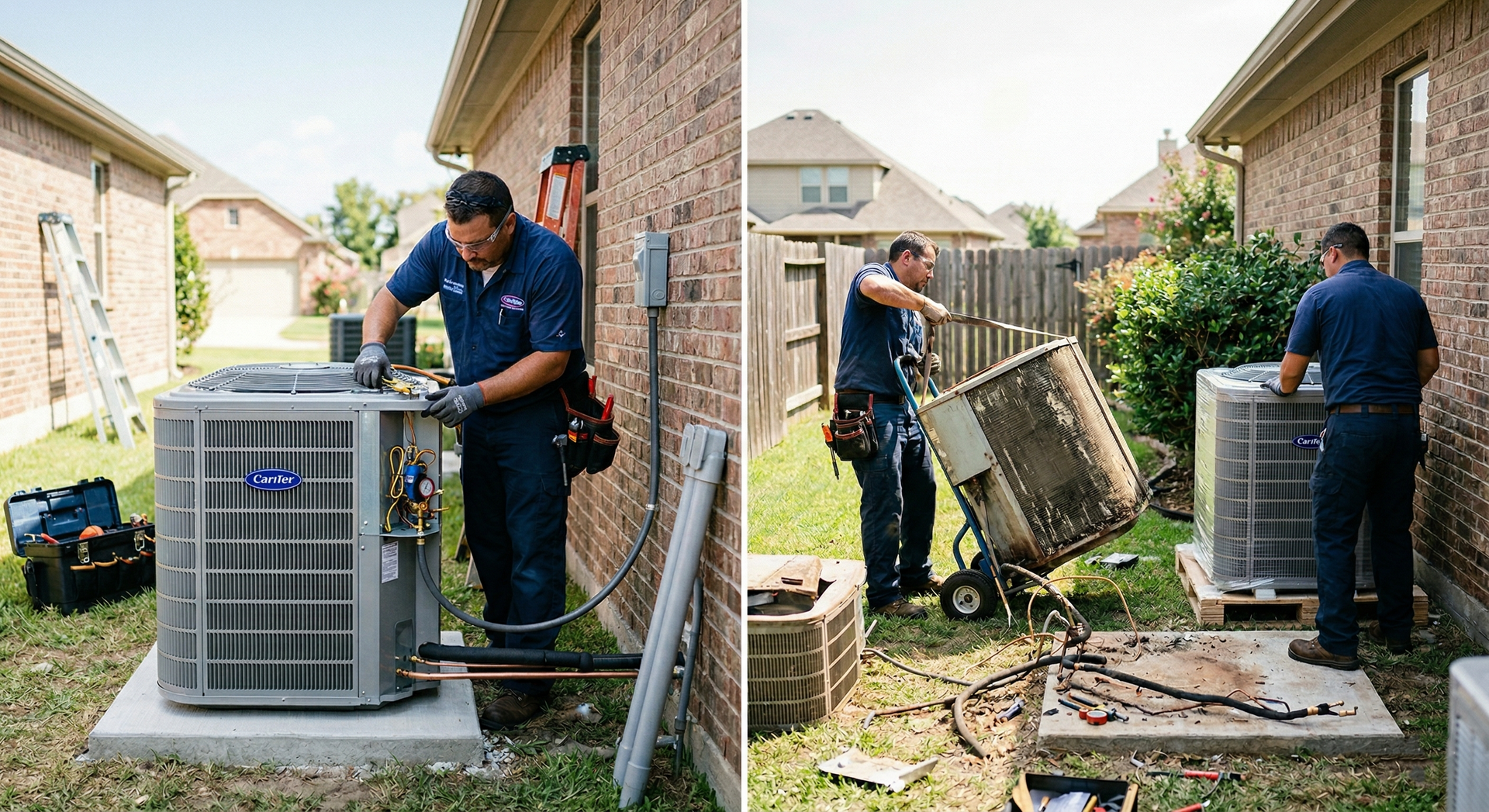
A well-maintained HVAC system not only runs more efficiently—it also promotes healthier air. During a routine service visit, your technician will:
- Clean dust and debris from components
- Inspect and clear condensate drains to prevent mold
- Check for leaks or moisture issues that can cause indoor air problems
- Ensure airflow is balanced throughout your ductwork
If your system hasn’t been serviced in a while, now is a good time to schedule a tune-up. Learn more here:
https://www.harwellheatandairok.com/hvac-maintenance/
3. Upgrade to Advanced Air Filtration or Air Purification
If basic filters aren’t enough for your household, you can improve indoor air quality by upgrading to advanced filtration or air purification systems that integrate with your HVAC equipment.
Options include:
- Media air cleaners: Capture more particles than standard filters
- Electronic air purifiers: Use electric charges to trap smaller particles
- UV light systems: Kill bacteria, viruses, and mold in your HVAC system
- Whole-home air purifiers: Combine multiple technologies for the best results
These solutions are ideal for homes with allergy sufferers, asthma, or concerns about airborne viruses.
4. Manage Humidity with a Whole-Home System
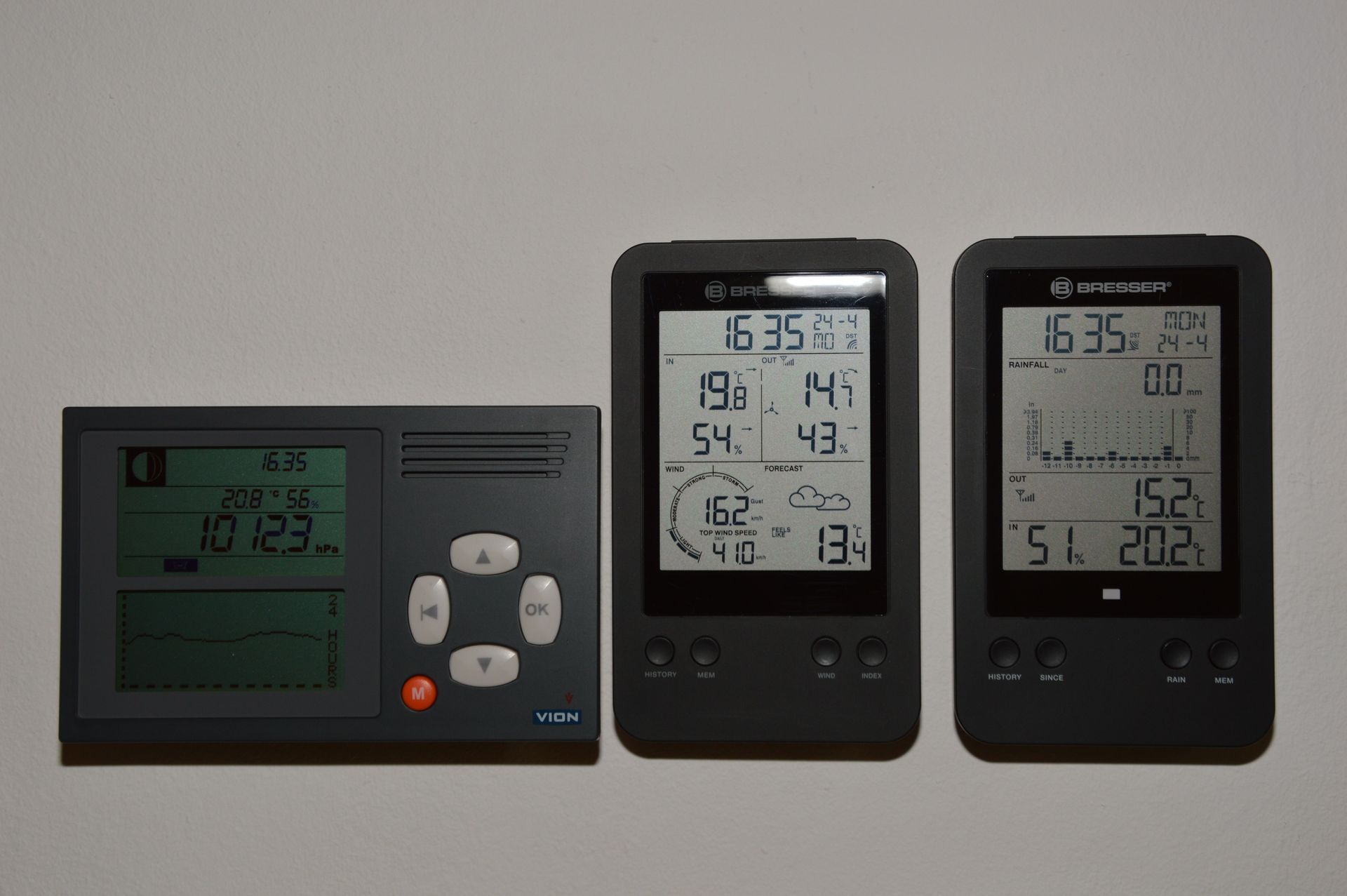
Humidity levels directly impact your indoor air quality. If your home is too humid, it can promote mold and dust mite growth. If it’s too dry, it can irritate your respiratory system and skin.
Ideal indoor humidity levels are between
30% and 50%.
To maintain this balance, consider:
- Whole-house dehumidifiers: Remove excess moisture during humid Oklahoma summers
- Humidifiers: Add moisture in winter when indoor air gets too dry from heating
Proper humidity control also helps protect wood floors, furniture, and electronics from damage.
5. Seal and Clean Your Ductwork
Your ductwork distributes air throughout your home, but if it’s dirty or leaking, it can collect and spread dust, allergens, and contaminants.
Signs you may need duct cleaning or sealing:
- Visible dust buildup around vents
- Mold growth near registers or inside ducts
- Uneven airflow or inconsistent temperatures
- Higher than normal energy bills
Harwell Heat & Air offers duct inspections and sealing services to improve air quality and system performance.
6. Improve Ventilation
Fresh air ventilation helps remove stale indoor air and bring in cleaner outdoor air. Modern homes are built tighter for energy efficiency, but this can trap pollutants inside.
To improve ventilation, consider:
- Energy recovery ventilators (ERVs) or
heat recovery ventilators (HRVs)
- Exhaust fans in kitchens, bathrooms, and laundry rooms
- Opening windows on mild days to let fresh air circulate
Ventilation systems can be integrated with your HVAC to maintain comfort and improve indoor air exchange.
7. Install a Smart Thermostat with Air Quality Controls
Some modern thermostats go beyond just temperature control. Smart thermostats can monitor indoor air quality, humidity, and system performance. Some can even alert you when filters need changing or schedule fan cycles to keep air moving.
These tools help automate your air quality efforts and make adjustments based on your daily habits and comfort preferences.